
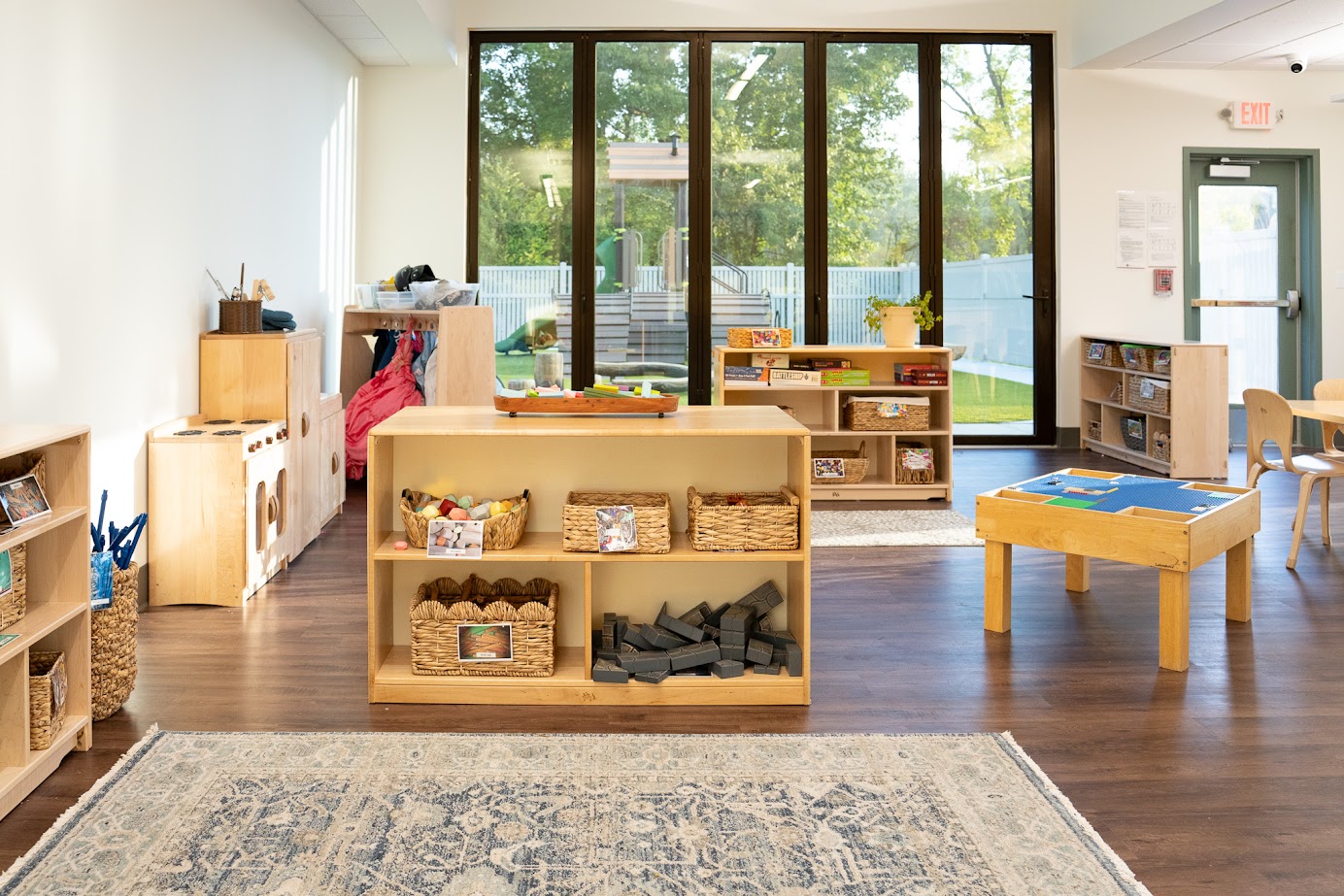
Changing classrooms can be exciting for kids, but it can also be a little emotional too. Honestly, sometimes it is harder on the parents than the children.
A new classroom means a lot of new things all at once. New teachers. Different routines. Different kids in the room. Even small changes can feel huge when you are little.
Some children adjust immediately and barely look back at drop off. Other children need a little extra time, a few extra hugs, or more reassurance during those first couple weeks. We see both all the time.
One thing we have noticed over the years is that children really pick up on how the adults around them feel. If parents seem nervous about the transition, children usually feel it too. When adults stay positive and relaxed, children tend to settle in faster.
Before transitions happen, it can help to casually talk about the new classroom at home. Nothing big or dramatic. Just simple little conversations here and there. Talking about new toys they might play with, new friends they may meet, or reminding them they will still see familiar faces during the day can make things feel less intimidating.
At The Learning Tree, we try not to make transitions feel abrupt. Usually children get chances to visit the classroom beforehand, spend time with the teachers, and slowly get comfortable before officially moving. It helps so much when children walk into a room that already feels a little familiar.
Teachers also spend time talking with each other before children transition. They share the little things that matter. Favorite activities. Nap routines. Comfort items. Friendships. Sometimes those details help children feel more comfortable right away.
Parents can help a lot during this stage too just by keeping things steady at home. Consistent mornings, normal bedtime routines, and a little extra patience during the adjustment period can really help.
And sometimes transitions are just messy for a bit. A child may cry at drop off for a few days and then suddenly be completely fine the next week. That is usually part of the process, not a sign something is wrong.
Most of the time, once children settle in, parents look back and realize the transition was much harder in their heads than it ended up being in real life.